

Interior design is far more than decoration. It is the strategic planning and execution of space to enhance functionality, comfort, efficiency, and visual appeal. In modern residential and commercial projects, interior design plays a crucial role in shaping how people live, work, and interact within a built environment.
A well-designed interior does not simply look attractive. It works efficiently, supports daily activities, reflects identity, and improves long-term usability. When integrated with construction planning, interior design becomes even more powerful — ensuring that structure and space function seamlessly together.
Interior Design Is About Purpose, Not Just Appearance
Many people associate interior design with colors, furniture, and decorative elements. While aesthetics are important, true interior design begins with purpose.
Every space must answer key questions:
- How will it be used daily?
- How many people will occupy it?
- What activities will take place?
- What mood should it create?
Design decisions should support real-life functionality. For example, an office interior must promote productivity, collaboration, and efficiency. A residential home should provide comfort, relaxation, and practicality.
Design without purpose creates beautiful but inefficient spaces. Purpose-driven design creates environments that truly perform.
The Importance of Space Planning
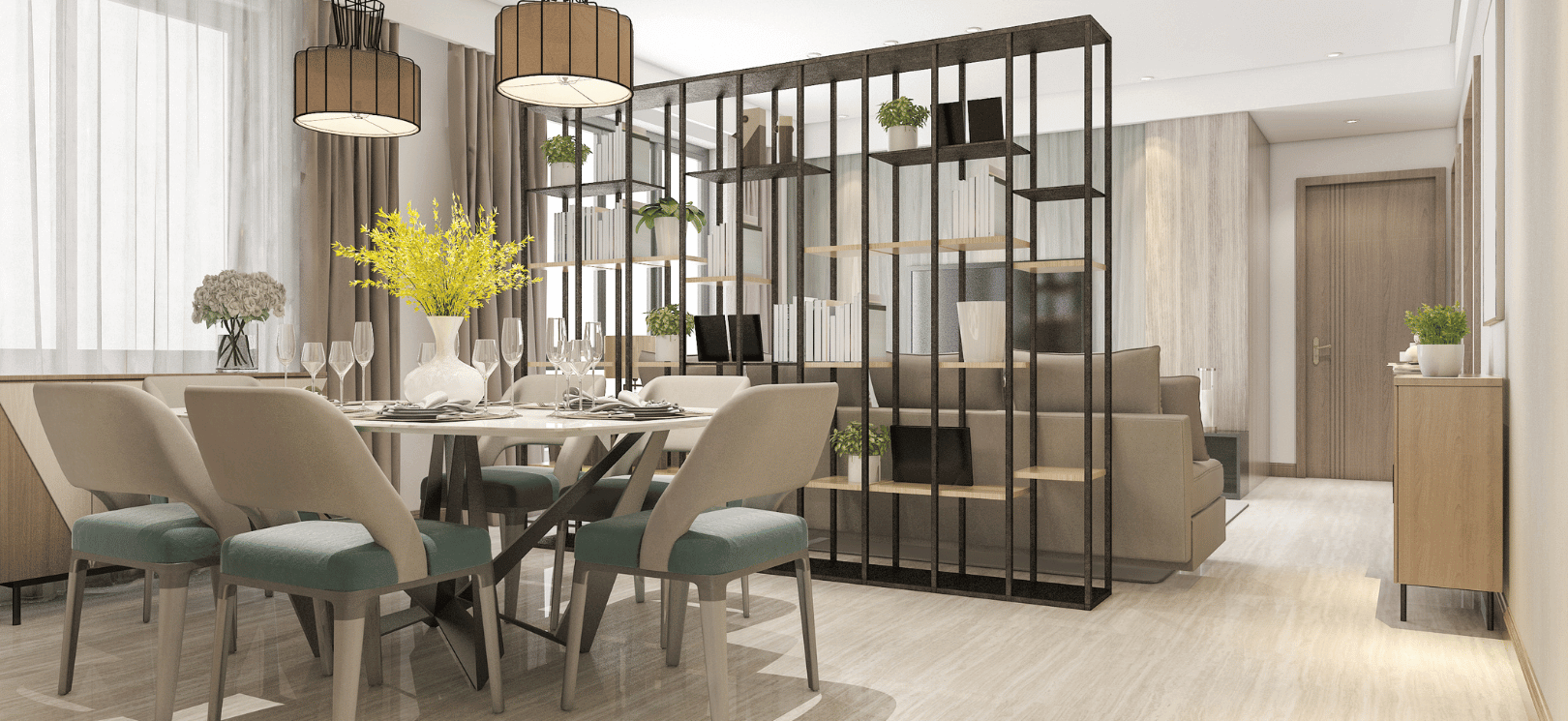
Space planning is the foundation of interior design. It determines how rooms are organized, how furniture is positioned, and how movement flows within the area.
Effective space planning ensures:
- Optimal use of available square footage
- Clear circulation pathways
- Logical zoning of functional areas
- Comfortable proportions
Poor space planning often results in cluttered layouts, awkward furniture placement, and inefficient movement. Professional planning transforms limited spaces into well-balanced, open, and functional environments.
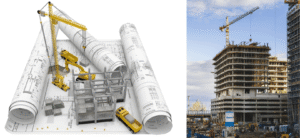
Integration Between Construction and Interiors
One of the most critical factors in successful interior design is coordination with structural construction. When interiors are planned separately from civil work, challenges often arise:
- Electrical points may not align with furniture layouts
- False ceilings may conflict with structural beams
- Plumbing provisions may require rework
- Lighting plans may be compromised
An integrated approach ensures that interior concepts are aligned with construction realities from the beginning. This reduces rework, saves costs, and enhances overall project efficiency.
When structure and interiors are developed together, execution becomes seamless.
Material Selection and Long-Term Performance
Interior design is not only about appearance; it is about durability and long-term performance.
Material selection impacts:
- Maintenance requirements
- Safety standards
- Environmental performance
- Budget sustainability
High-quality materials may require higher initial investment but often reduce long-term repair and replacement costs. Durable finishes ensure that interiors maintain their appeal over time.
Careful material coordination also ensures consistency across flooring, wall treatments, joinery, and furniture.
Lighting: The Invisible Design Element
Lighting is one of the most powerful yet underestimated elements in interior design. Proper lighting enhances mood, highlights architectural features, and improves usability.
There are three essential types of lighting:
- Ambient Lighting – Provides overall illumination
- Task Lighting – Supports specific activities
- Accent Lighting – Highlights design features
A balanced lighting strategy transforms a flat interior into a dynamic, inviting environment.
Custom Joinery and Personalized Solutions
Standard furniture does not always maximize space efficiency. Custom joinery allows interiors to be tailored according to project needs.
Custom solutions provide:
- Better space utilization
- Seamless design consistency
- Higher durability standards
- Improved storage efficiency
Built-in wardrobes, modular workstations, customized shelving, and integrated partitions enhance both functionality and aesthetics.
Personalized design solutions create interiors that feel intentional rather than generic.
Interior Design for Commercial Spaces
In commercial projects, interior design directly influences business performance. Office layouts affect employee productivity. Retail design influences customer experience. Hospitality interiors shape guest satisfaction.
Well-designed commercial interiors:
- Improve workflow efficiency
- Reflect brand identity
- Enhance customer engagement
- Increase operational effectiveness
Businesses increasingly recognize that design is not an expense — it is an investment.
Sustainability in Interior Design
Modern interior design increasingly focuses on sustainability. Eco-friendly materials, energy-efficient lighting, and responsible sourcing practices contribute to environmental responsibility.
Sustainable interiors offer:
- Reduced energy consumption
- Improved indoor air quality
- Lower environmental impact
- Long-term cost savings
Thoughtful design choices today contribute to better performance tomorrow.
The Role of Professional Project Management
Interior execution involves coordination among multiple teams:
- Carpenters
- Electricians
- Painters
- Fabricators
- Suppliers
Without structured supervision, delays and quality inconsistencies may occur.
Professional project management ensures:
- Clear timelines
- Quality inspection at every stage
- Budget monitoring
- Vendor coordination
Disciplined execution is what converts design concepts into tangible reality.
From Concept to Ready-to-Use Interior
An interior project is complete only when it is fully functional and ready for daily use. Final detailing, finishing quality, and system testing play a crucial role in achieving this stage.
A ready-to-use interior includes:
- Completed installations
- Functional lighting systems
- Smooth finishing and detailing
- Clean, organized handover
The difference between “finished” and “ready-to-use” lies in execution precision.
Conclusion
Interior design is a powerful combination of creativity, strategy, and disciplined execution. When thoughtfully planned and professionally managed, it transforms spaces into environments that perform beautifully and function efficiently.
By integrating construction, design, and execution under structured systems, modern interior projects achieve clarity, accountability, and long-term value.
Interior design is not just about creating attractive spaces — it is about delivering environments that truly support living, working, and growing.